Christinas Reflective Journal
Course: Prototyping
Project 2 – Final presenation
What we needed to prepare for the final presentation was of course slides with answers to the questions that our teachers had asked. For example: what’s the problem? What is the concept and the solution(s)? And how did we end up with our design proposal? And the problem that we had found after doing research and interviews was the social isolation, loneliness and digital exclusion that elders feel. And the concept was for the elders obviously as well as the rest of the family. We were convinced in the group of our idea and solution being the lamp, something everyone has at home. We decided how the lamp should work and why.
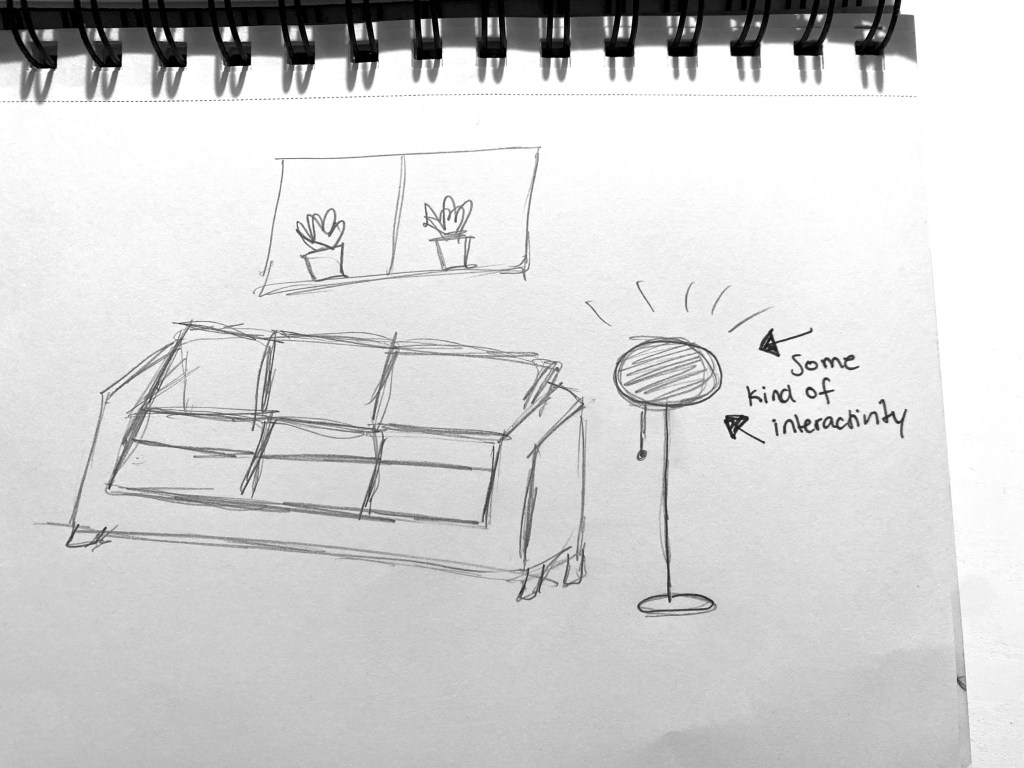
Even before we started prototyping we knew that we needed to create something that could fit the atmosphere of the home, and provide a device that exchanges personal conveyances of feelings without using verbal communication. Some kind of lamp and light is something we have seen in every home we have been to while visiting parents, friends, grandparents etc..which made us develop the idea of our design proposal.
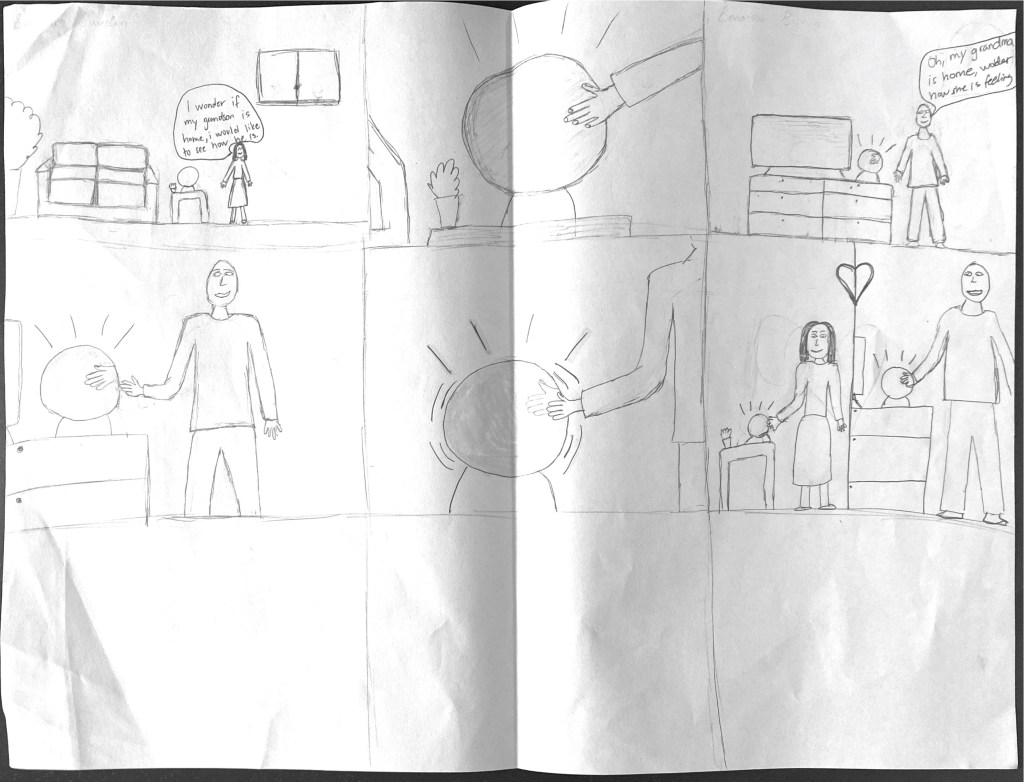
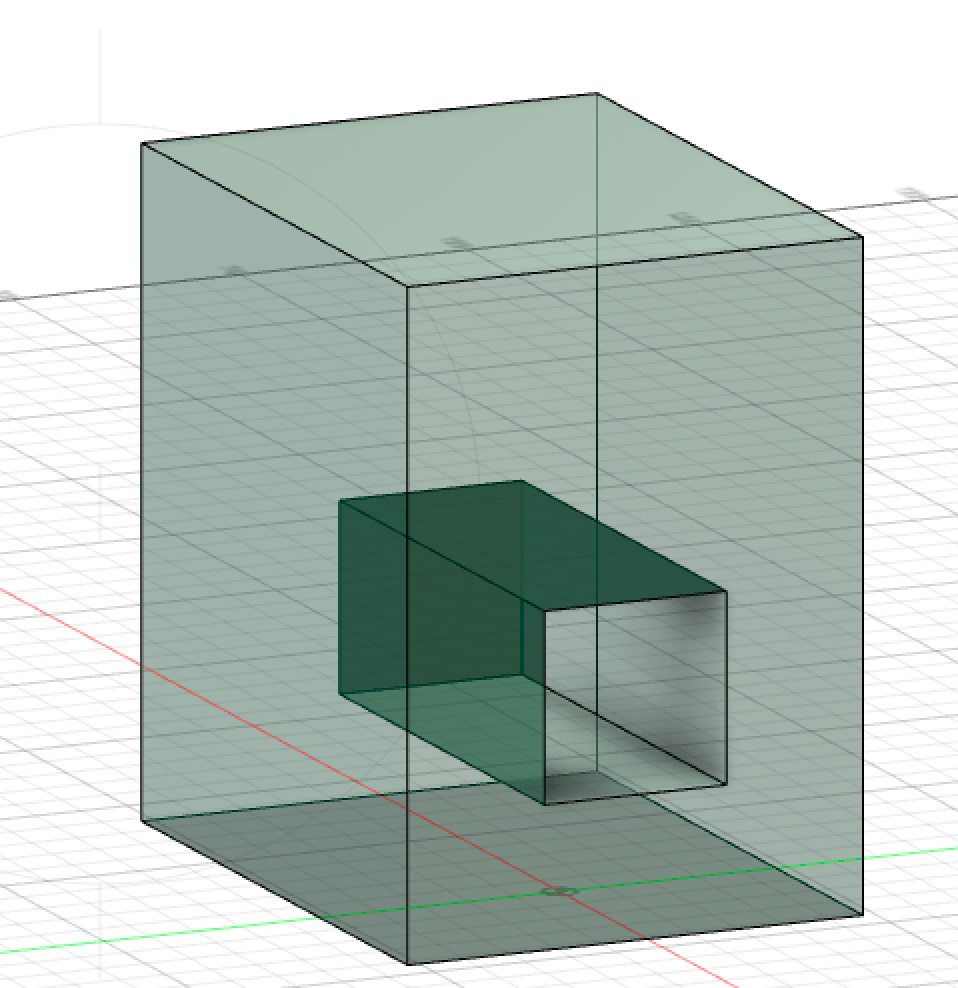
Due to the situation we were not able to create a physical artifact unfortunetely, Johan, as mentioned before, created a 3d prototype of how the lamp would approximately look like, we made a storyboard to show how it would play out in the ”real life” and we got a lot off good feedback from our teachers after our final presentation. Johan used Autodesk Fusion 360 when creating the prototypes that you can see below.They seemed satisfied with what we have done and told us that we had listened to their feedback and really tried to create something that we believe in.
In addition, I am very impressed of how the 3D prototypes look and it is very exciting to see how something we learned in the beginning of the course ”refering to Johannes lecture he had about Autodesk Fusion 360) was useful in this project. It makes sense in a new way because this time I really got to see how useful it is in practice and how it helped us illustrate our prototype for the teachers. Especially when we did not have the opportunity to create a physical prototype which we probably would have done by using the machines we have tried out during the ”stool competition” we did in groups. After all these lectures and this project I really appreciate all the things I got the opportunity to learn. From Arduino (that ALSO was useful during our prototyping in this project) to application programming interface (API), as well as the video-prototyping exercises we had done earlier that helped us understand how an easy and quick video-prototype could give you an overlook of the product.
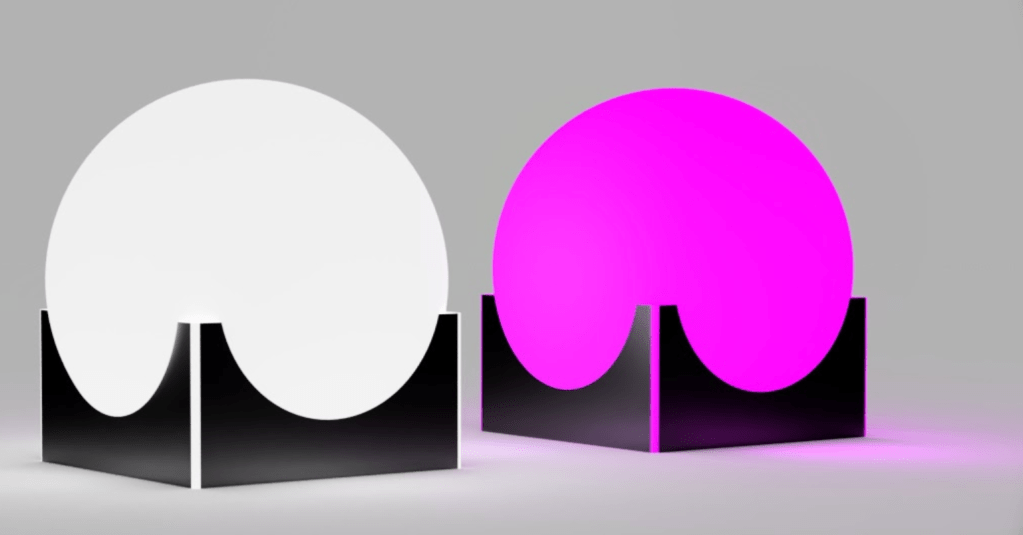
After being done with the presentation I realized we had, as our teachers said, listened to their feedback and really tried to do better after every grit session. They had come with a lot of good advices that had helped us through the process and without the crit sessions we wouldn’t have learned this much. On of the teachers told us for example to try to create another type of shade on the hand popping on the lamp – something we hadn’t thought about. So we did it, we tried to make the shadow of the hand light instead of dark to see how what reaction and feeling that would create. And from that experiment we got the idea to only have the outlines of a hand on the lamp when someone touches it in order to not give the feeling of the lamp being something scary as in a horror movie. I really understand how important it is to have crit/feedback sessions with teacher(s) in order to evolve, not only the process but ourselves and our thoughts and ideas.
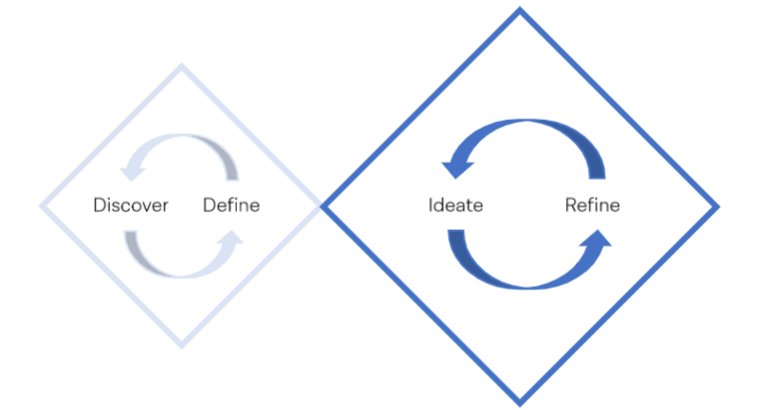
During this project I have learned to focus on the second part of the double diamond, ideate and refine. During other courses, as in Methods 1 and Methods 2, I learned discover and define. But during this project I really had the opportunity to learn the second part and later-stage prototyping. Even though the situation made it a bit difficult I really believe I still got a lot out of it. Just the parts where I had to be creative and create low-fidelity prototypes at home to experiment the different dimensions/functions/features of our ”final product” I learned how important it is to just get started. What I’m trying to say is that I can think about a lot of different ideas and prototypes in my head but its not until I actually create them, even if they are quick and dirty, I get insights and is able to move further on in the process.
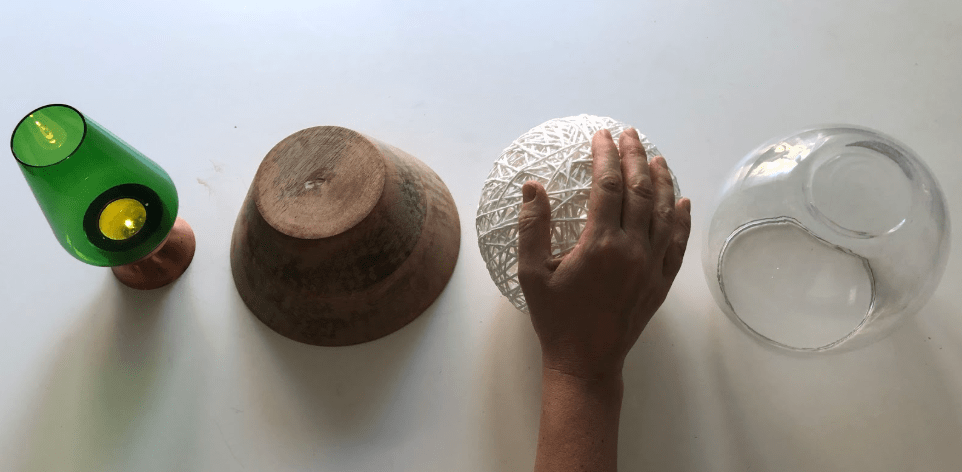
I also got the opportunity to try out look and feel prototypes where I tested e.g. material and form factors that gave me insights of how the lamp should look like and feel like while touching it. We did for example establish that the lamp should have a round shape because of comfortability when placing the hand on the prototype. We tried to implement the idea in other shapes but we quickly realised that the users (tryouts) did prefer to have a round shape.
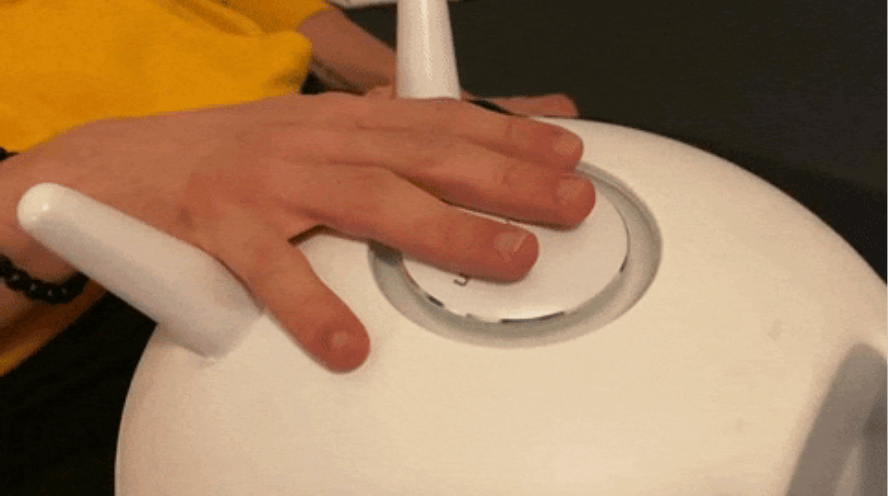
And then also experience prototypes being vibration, warmth, light, feedforward and feedback. This gave me the insights of how the lamp should work and why. One insight that we got from the experience prototyping was that the tryouts really liked and preferred the heartbeat vibration on the lamp, it gave them a feeling of presence and sense of safety because it felt like they were hearing the other persons heartbeat.
What I could have done better on the other hand was to interview more elders and their family members to get a better understanding and more perspectives. Maybe I would have found more problems and thereby have more to work with. However, thats something I will bring with me to the next project. And same goes with the prototyping, I should have experimented with more people, as our teachers mentioned as well, in order to get more insights.
I did enjoy this project and I particularly valued the crit session we had with our teachers because that helped us to iterate on our ideas and thereby refine them. I also valued my group, I had a very good time working with them and we had a good collaboration. Everyone participated and performed something valuable to the group.
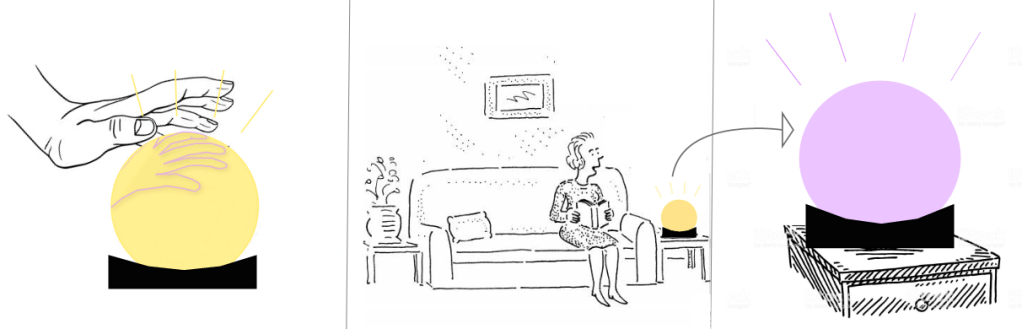
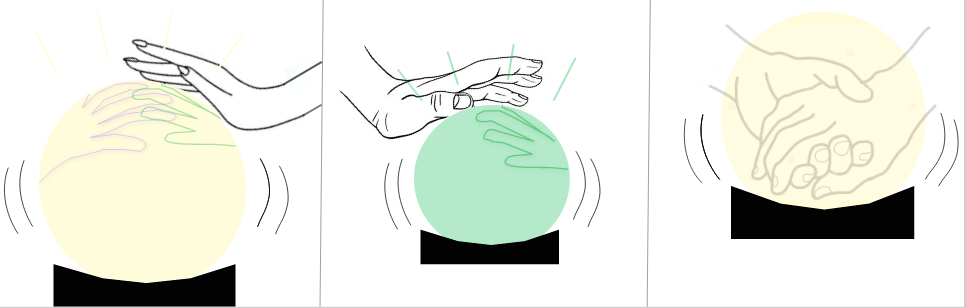
I think my ”strength” in this group was the sketching of the product and storyboards, coming up with different ideas that wasn’t necessarily the final idea but still led to what became the final product and structuring
up the work alongside with the other group members of course.
I am very grateful I got to work with them and as I said, everyone really participated and had important impact in the group and the project. We gave feedback to each others ideas which I really valued, because we could openly discuss and argument without any disputes and that is important during a group work – to be honest with each other and help each other out. I also want to mention I had one of the funniest times with this group which I also think is a reason of why I was very motivated to do better and aimed to develop as a student in interaction design.
Project 2 – Prototype testing
Doing the prototype testing from home was first a challenge because we couldn’t really find any objects to create prototypes with. But being at home for a while made us creative and we used a speaker to stimulate the vibration of a heartbeat. We used a hair dryer to create heat on a cold surface. Axel used the Arduino as well to create vibration. I tried to make the Arduino work but failed unfortunately and Axel tried to help me through Discord but it didn’t work. So that is definitely something Im gonna learn more during the summer through tutorials on youtube – the Arduino.
However, even though my skills at the Arduino stopped me from using it I succeeded to create prototypes with the hair-dryer and the speaker. After doing prototype testing for a couple of days we had a meeting on discord to share our experiences and especially our insights.

The insights that were common for all of us were that a heart beat gave the feeling of presence. Getting the feedback of something getting warmer while touching it also gave a feeling of presence and felt ”alive” in some way. Quick vibrations were disturbing and stressful… Touching a cold surface and it remaining cold during the whole time felt useless and didn’t give any kind of impression at all.
I really wish we had the chance to create prototypes at the workshop in school and then do experiments with elders to see what insights we would have got from them. But either way, I was quite satisfied with the insights we did get, and considering the situation it was quite okay anyways.
Anyways, after sharing insights with each other we iterated on the ”product” and made some last decisions on how it would work and look etc. We got told in our last crit session that its important for us to make decisions and be determined of how the product would work and be convinced of it. So thats what we did, we had some meetings on discord and determined the last things, discussed why it would be like that, and Johan in our group created a 3D prototype of how the product would like, unfortunately we could not create it in real life…because no one of us had all the material we needed at home.
Project 2 – Crit session 3
After our second crit-session where Johannes told us that we didnt really have any kind of product ideas…we only had some concepts that were not concepts that we had thought through.. we started to brainstorm once again and chose to ”kill our darlings”. We came up with the idea that using a lamp to communicate with someone who is far away would be an interesting idea because everyone we know has one or more lamps in their home. So its something that is already implemented in peoples homes today which is a great opportunity for us to develop further and brainstorm ideas of how we could use the lamp as a communications tool.
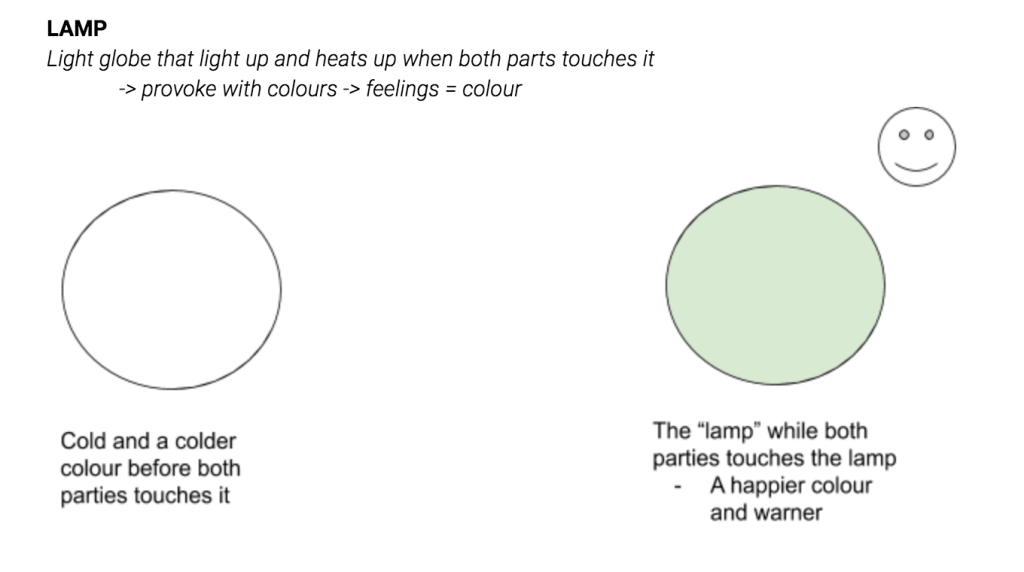
We knew that we wanted to play around with colors at first but then when we digged deeper into that and talked to Clint and Peter about it on the third crit session they told us that provoking feelings with colors is a hard road to go because our perceptions of colors are personal and its to diffuse to focus on the psychology of colors….better to focus on how we could provoke with something else.
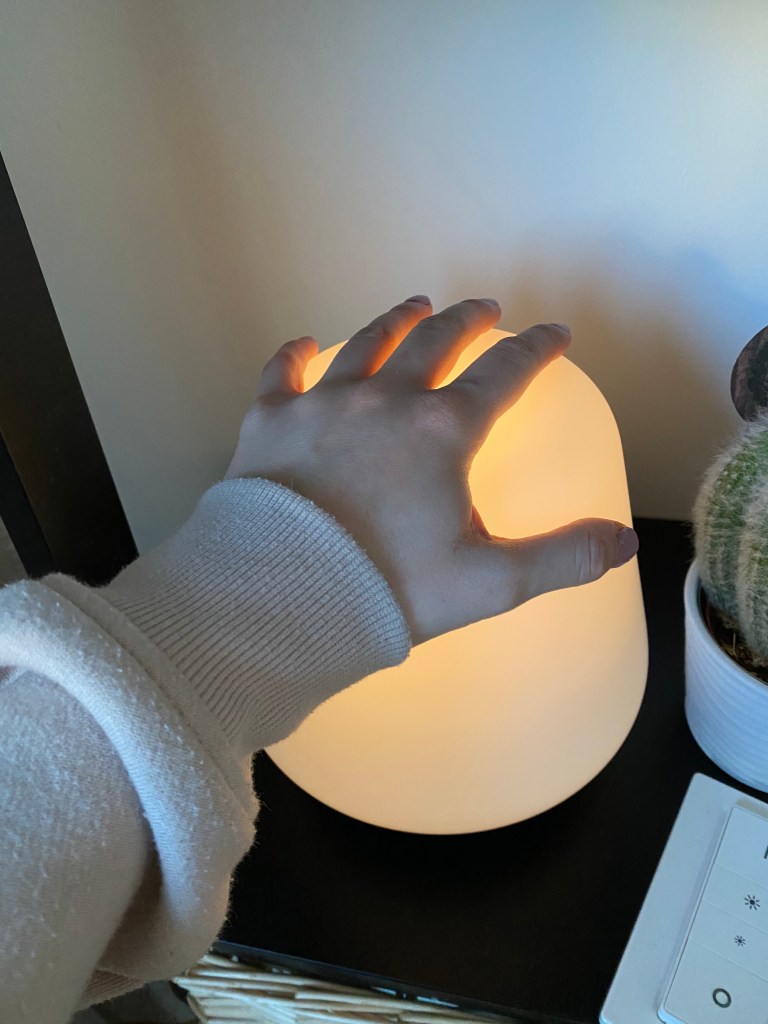
We decided that we wanted to provoke with light and vibration. The idea wasn’t really clear at all but we knew that seeing a lamp turn on by itself in our home would provoke some kind of emotion or action knowing that it is turned on because a family member of ours has touched the lamp to reach out. When touching the lamp we wanted to implement some kind of feedback with cold and warm surface. To give the impression of touching a real hand or person (because the surface of a human hand gets warmer when you touch it IRL) so it would make sense to have the surface of the lamp becoming warmer when touching it…to give some kind of feedback and feeling of presence.
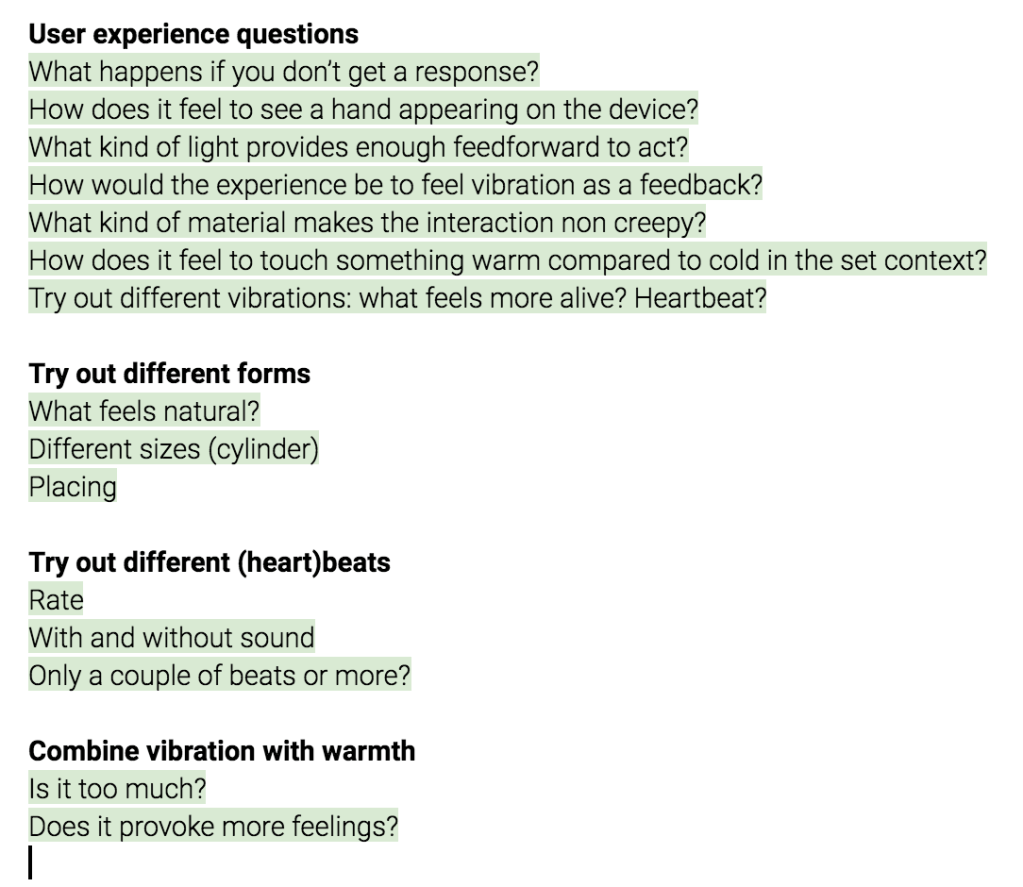
When we had this idea of how this lamp would work we started to write user experience questions in order to see what we could provoke from the users. The initial idea was of course to do the user experience on our elders (because our focus was communication between the elders with the rest of the family) but unfortunately it was at this time the virus Corona spread across Sweden and we were afraid to visit them considering they were a part of the risk-groups. We started to do user experience on people we lived with or people close by…which worked and we did get a lot of insights and results but I am sad that we didnt have the opportunity to do on our elders, I think it would have been helpful as well because they would probably look at it from another perspective. The people we did the user experiences with was mostly around our age and people we hang out with a lot and (I think) most of us see it from the same perspective and we kind of think similar when it comes to some stuff because you develop similar opinions and thoughts considering you hang out so much…I dont know, this is just something that i believe, I dont have any proof but I truly believe we would have gotten more different instincts if we would have been able to to user testing on our elders as well.
Project 2 – Crit session 2
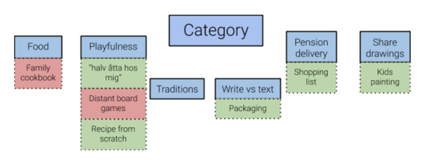
Food
“Family cookbook”
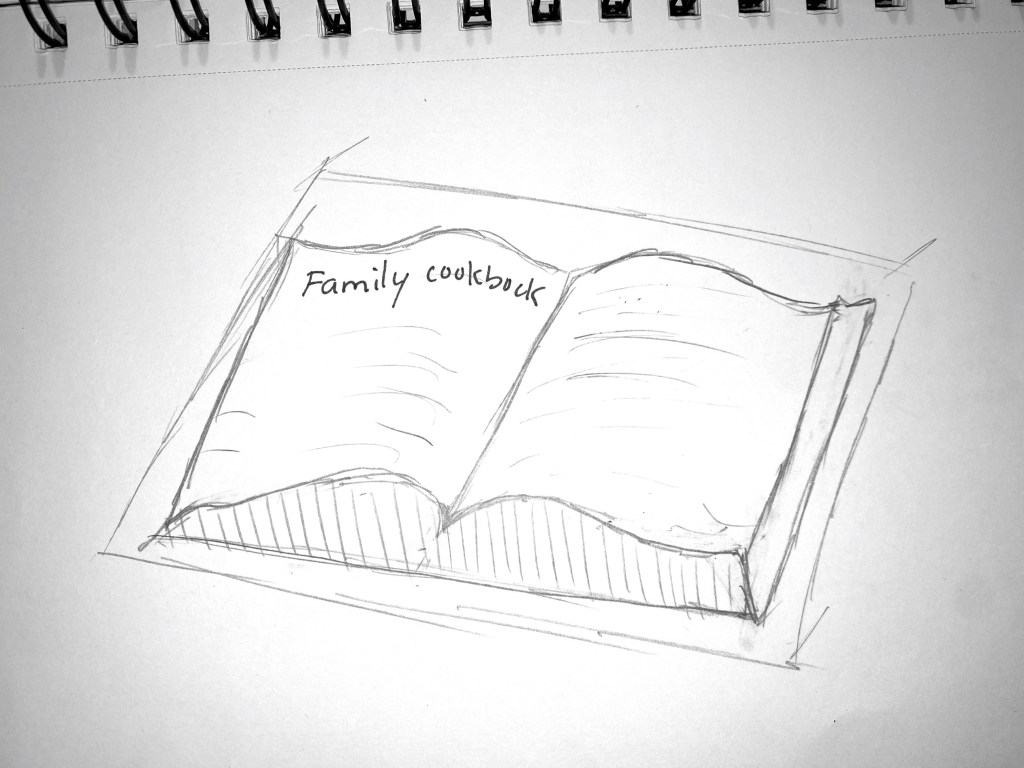
Having a family cookbook to gather recipes or even creating new ones together, something everyone in the family is supposed to have in their home it is supposed to work.
“Game”
“halv åtta hos mig”, giving food challenges
Distant board games
Create a recipe from scratch
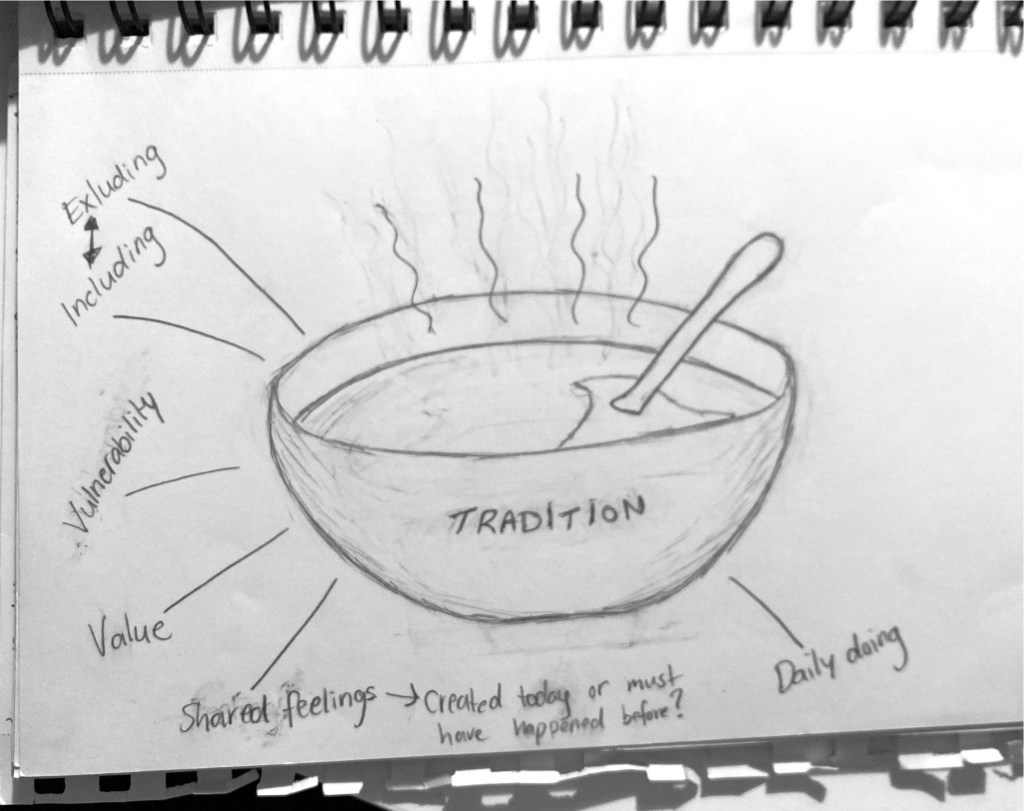
Traditions?
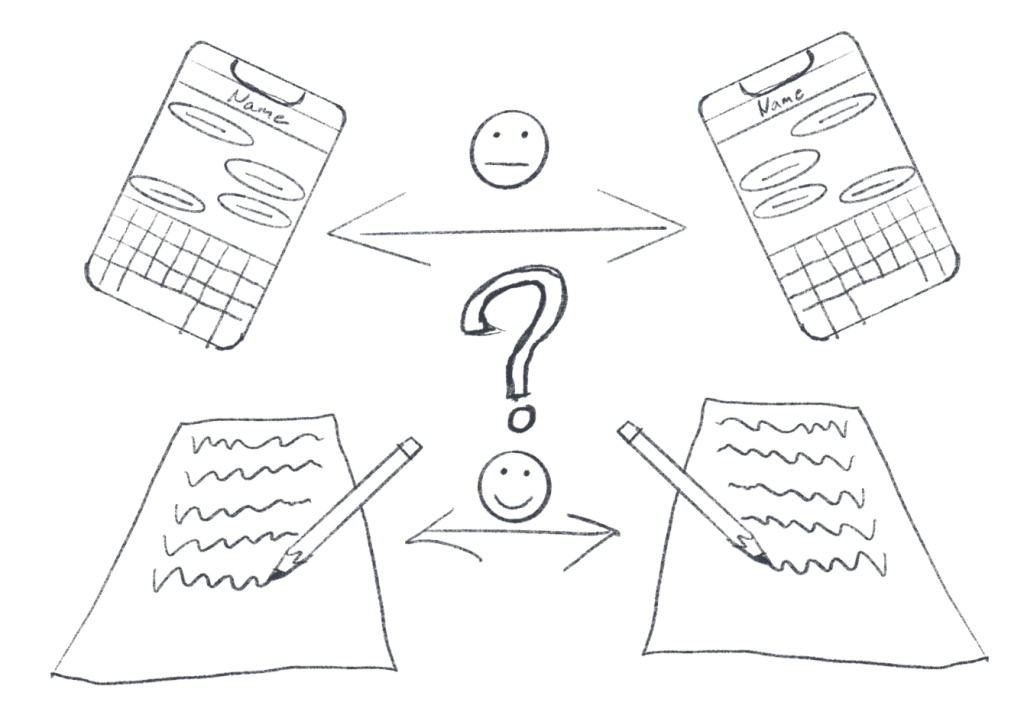
Write vs Text
“Packaging” quality into the message in some way.
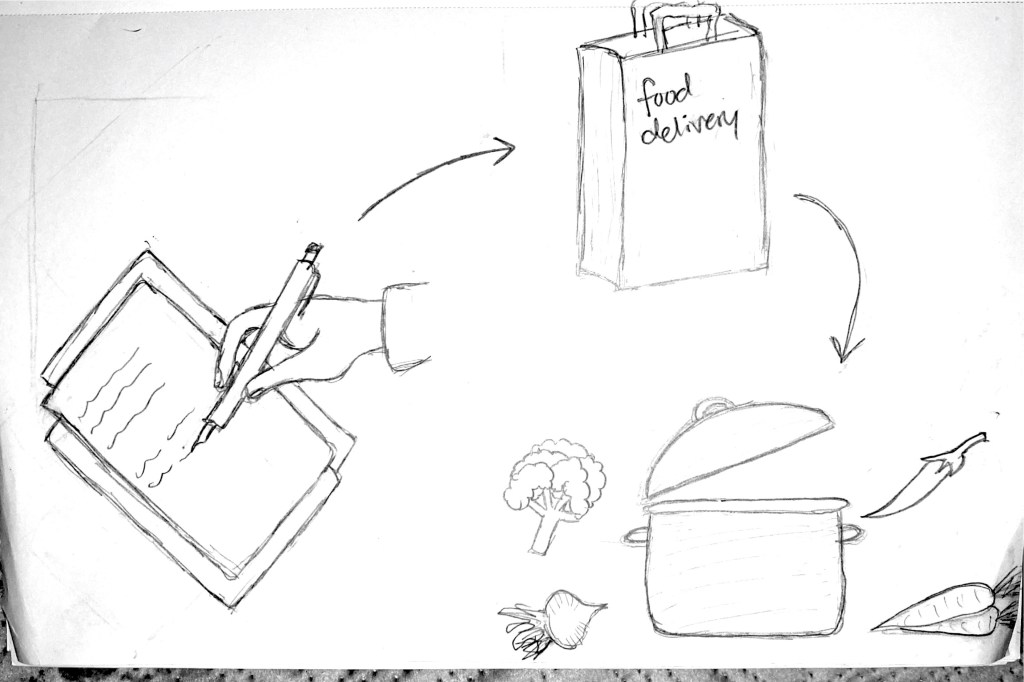
Pension delivery
Elderly writing a shopping list with that gets delivered to someone in the family.
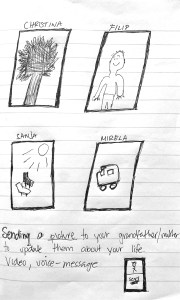
Share pictures/drawings
Kids painting to communicate to elders – expressing daily activities?
For our first crit session in project 2, this was the concepts we brought:
Connectivity
- shared daily planning (calendar) this one
Share daily/weekly activities and give insight to other family members and relatives on what is going on in the present and what will happen in the week.
- special phone/tablet
a phone or tablet that only have the purpose to receive calls or call specific people - penpals
send letters or emails, whatever fits you. And you receive what you prefer, thru a 3rd party. - activity request this one
som post it lappar
Present
- sharing activity (photo album) this one
Send pictures to the grandparents device that loops through the pictures - video-pals
- you send a video instead of text, no direct video call, just video messages
Other
- activity website
- shared feelings this one
Provoke
- phone lock
- fee
- no choice answering
The phone will vibrate and keep calling until you pick up, but this feature will not be activated while you are in school or at work. - a forced reason for meeting this one
- a rating of conversation quality
Physical
- limited discount (social discount)
- for example, discount if you are at a cafe, or if you buy a ticket at a carnival, have one for grandparents and grandchildren.
Sickness…Autodesk Fusion 360
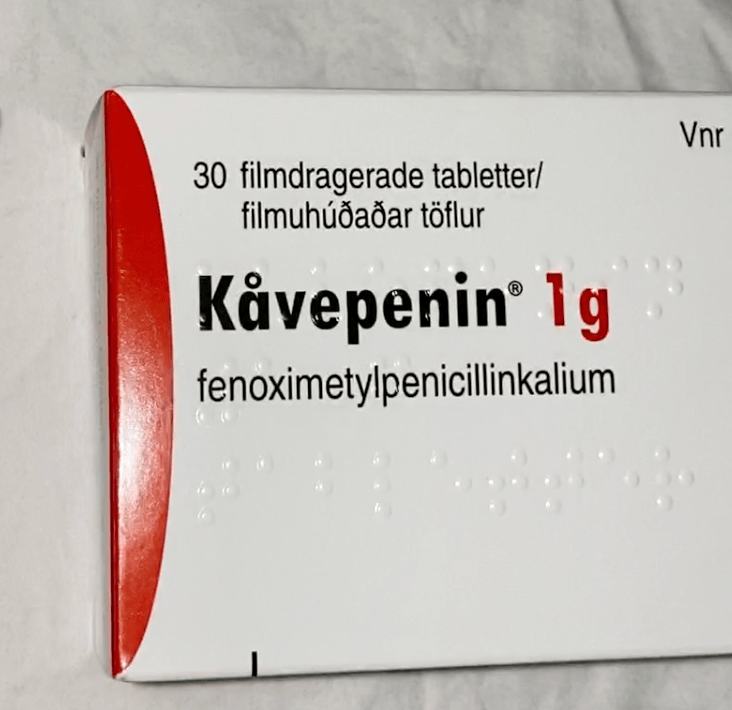
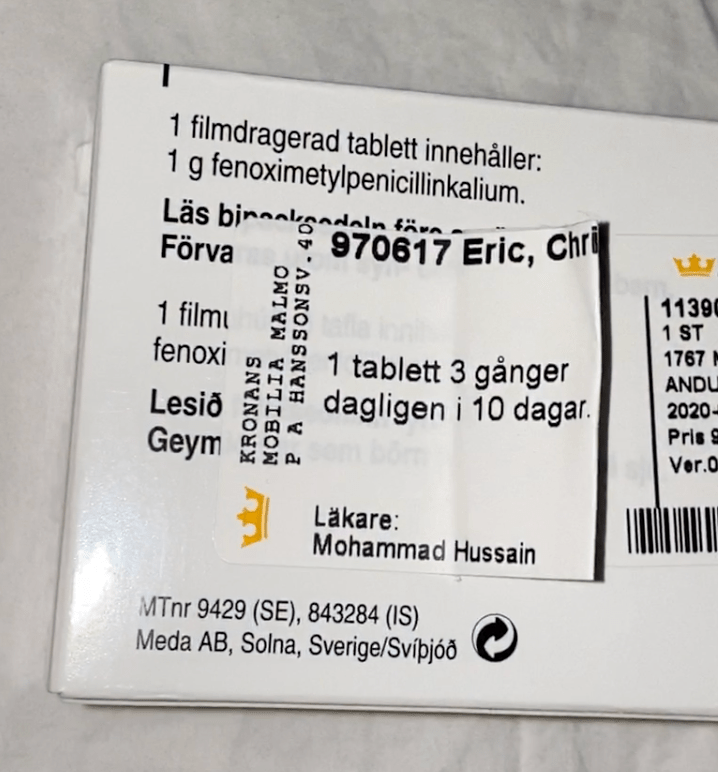
These couple of days has been hard for me, I got tonsillitis and just received penicillin from the doctor. I will be laying in bed for a couple of days to recover…
This means I did not have the opportunity to attend to the Autodesk Fusion 360 lecture. I did however ask a peer if he was willing to explain a bit about the program. He told me that Johannes walked them through some tutorials and after that I installed the program and played around with it a bit. It was challenging but at the same time fun. I had never worked with something like this before but I do understand how and why this will be useful for me. In prototyping purposes especially, because the program shows how the product would look in a realistic way and you can really get a sense of the product due to the 3D. I do look forward to using it more and getting a better understating of all the things you can do in the program.
I did watch some youtube tutorials as well of what other people are making and how. I have to say I’m very impressed of how ’real’ it looks in a way with all the shadows and highlights. I think I have stumbled across a lot of 3d prototypes and ”products” but never thought about how they were created. And Im glad I have this program on my computer and I will definitely play around with it to learn more. Sketching with pen and paper is also useful of course but it Im glad I now have a program to help me created cooler and advanced prototypes.
Project 2 – Choosing the topic
Our goal in this project was to develop a concept that is thoughtful and compelling within the theme communication. We had three different potential opportunities to work with. Sport, Family or Intimate. We quickly decided to go with sport. For me, I wanted to go with family because that is something close to be. I have a very good relationship with my family and the same time we do not live close to one another which is also an interesting problem I wanted to discuss. After choosing family we discussed how much we talk to our family members, how we talk to them (in forms of what technology enables us to talk to them), and with whom we talk to the most. We quickly got to the conclusion that we do not have so much contact with our elders, even if we would like to. One in my group told us that she wishes she had more contact with her elders but they do not speak the same language which makes things complicated. For me, personally, it is hard to visit my grandparents often because they live in Bosnia, I do however call them on FaceTime but its still not the same feeling as visiting them.
Next step
After our first meeting we decided we would interview our elders and do some research about their thoughts of communication within their family. While interviewing my grandmother I realized she is very isolated and lonely. She live by herself in a house in Bosnia, her children and grandchildren live in Sweden and Germany. I know she gets happy every time I call her because tells me that it means a lot to just hear my voice for a couple of minutes a day. After interviewing our grandparents we got the insights that they are socially isolated, they feel lonely and most of them lacked technological knowledge. They did not feel involved in the rest of the families lives.
Project 2 – Group contract
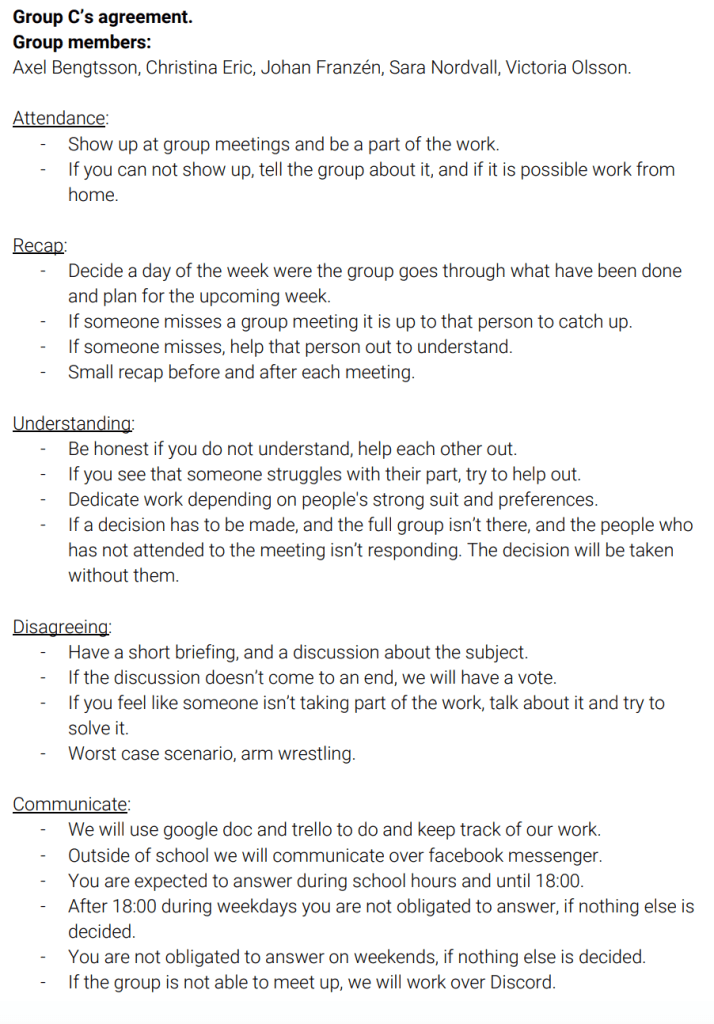
A new project and a new group. We started of by writing a group contract that we had to follow through during the project.
”What do Prototypes Prototype?” By Houde, S. And Hill, C. (1997)
After reading ”What do Prototypes Prototype?” by Houde and Hill (1997) I got a bigger understanding of what a prototype is first of all, but also that different prototypes can be created for different reasons. That may seem obvious for some people maybe, I don’t know, but I personally realized it after reading this article. They state that the importance of a prototype rely on how the prototype explore different aspects of the final design and not the entire design. They also mention that the importance does not necessarily relay on what appliances are used, more how they are used by the designer to illustrate a perspective of their future design.
I do agree on what they are stating and can see how this works out in practice. I have experiences that it is important how you use a prototype and when during a design process. Because as Houde and Hill state, a low fidelity prototype can take you far if you know how to use it and what perspective of the final design that you want to illustrate and explore.
****ADDED REFLECTION AFTER FINISHING PROJECT 2****
After doing prototyping at home in project 2 I really understand how important it is how you use a prototype and that the suppliants aren’t the most important part. I used a speaker as a prototype (and the final product was supposed to be a lamp) so it wasn’t even a little bit similar to the final product. BUT I did however get to explore two perspectives of the final product which were the vibrations and beats that we (me and my group in project 2) wanted to implement on the lamp. How it would feel with different vibrations, quicker ones or slower, how it would feel like if the vibrations stopped after a while etc… As well as a look and feel prototype because the speaker was oval and we were not sure what shape the lamp should have and we wanted to explore different shapes to see what felt most comfortable to hold.
So just by using a speaker I had in my home to explore and get insights about a lamp that I wanted to create I got a lot of insights. With that being said, I got them because I knew how to use the speaker as a prototype in this case, and I knew that this speaker wouldn’t give me answers to all of my questions concerning the lamp, but it did give me a lot. And thats pretty cool to see how something that I read about worked in practice and to actually experience it and see that it works. This experience makes me immediately feel like I understand the article in a deeper way than what I did before.
Project 1
In project 1 I got in a group with 4 others, a group that I was very happy to get if I am allowed to say so. I quickly realized that we had a good group dynamic and openminded conversations which made me happy because I sometimes have a hard time in the beginning of group works. I am not shy but it takes time for me to actually feel comfortable with sharing my ideas in the beginning with a new group. I don’t know why, I think I have to get to know the group members a little bit and get a grasp of what kind of different characters there are. That is something I will definitely have to work on and challenged myself to always feel comfortable to share my ideas and thoughts about different subjects. I however felt super comfortable with this group and I was very excited to start this project.
The project was about exploring and understanding what caring means and how we could provoke a certain situation. When we started to brainstorm in the group about ”caring” we got quite abstract and philosophical… we discussed about different situations where you show an act of caring, further more self-care and what it means to care about yourself in order to care for others. We also mentioned medical care, caring of objects, eg. Painting your house because you live in it and care how it looks.
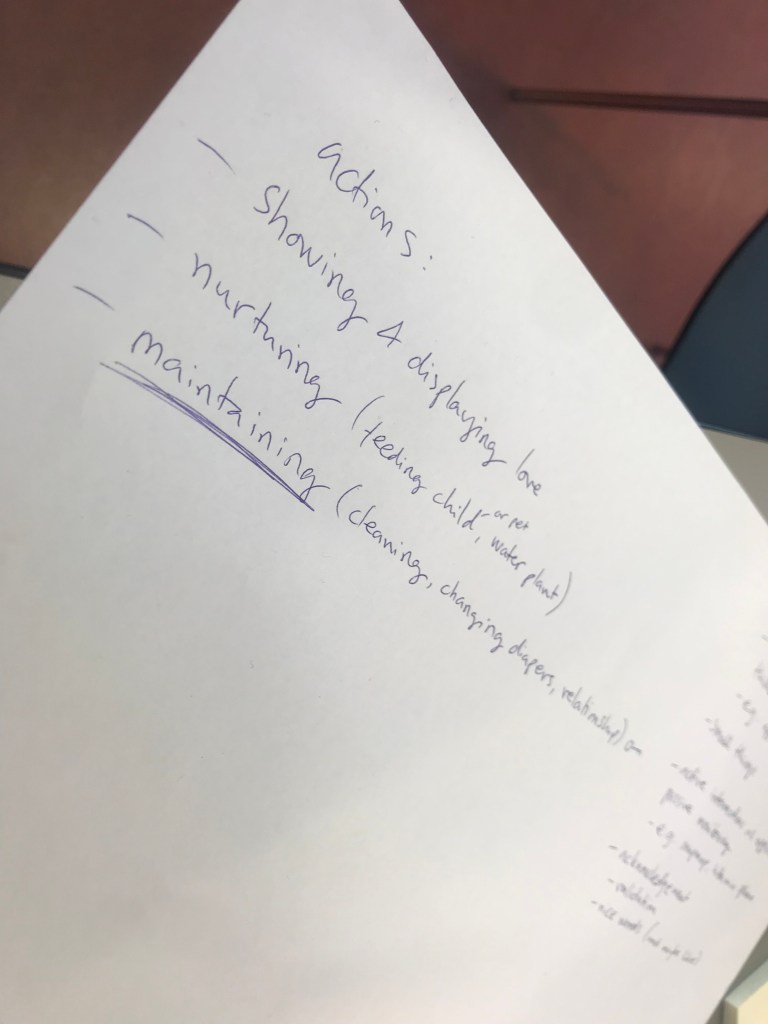
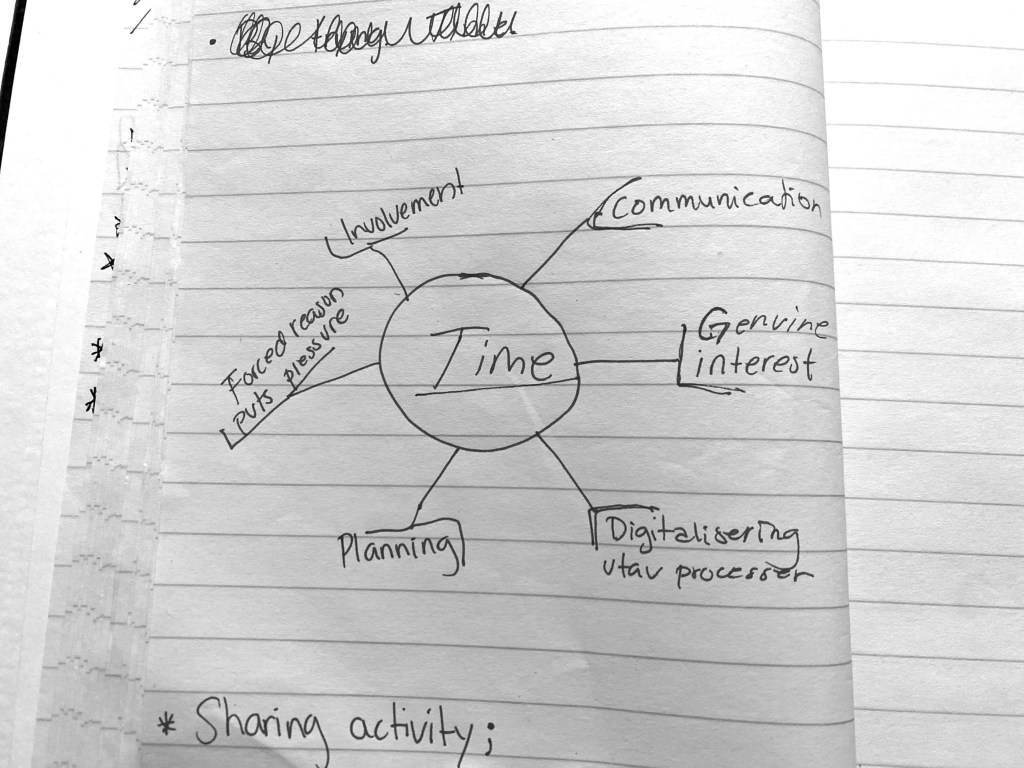
After the discussions we did however determine we were going to focus on the caring interaction between people who love and care for each other. Why we chose that was mainly because we found it interesting and close to ourselves. Questions like ”How do we, right now, express that we care?” Were asked and even if the answers was different, they all had one thing in common, and that was ”time”. In order to show that you care you have to put in time, if its telling someone you care, sending flowers to someone in order to show that you care or making dinner…it all requires time. Even though we already know that it requires time to do all those things it was still some kind of insight we got. Because you don’t really think about how much time you put in some people and that time is valuable because you are never getting it back. Money and material objects are however something that you have the possibility to get back in some way (talking about ourselves).
Even though we had a lot of intriguing discussions we did not develop any ideas or concrete design opportunities. It was like we were digging a rabbit hole – the more we dig the deeper we got. After talking to our teacher Johannes and explaining our struggle, we understood that we needed to acknowledge concrete situations and experience, explore and provoke these situations in order to get further with our project. We immediately started to do some experience prototyping by texting our families that we care for them, doing this to provoke some kind of reactions from them considering we do not send those kind of messages to them otherwise. A message to simply explain that we care for another person, no other intentions, no questions, only an act of care. The reactions was quite fun, most of the receivers of the messages thought something had happened and the got worried. Why did they get worried? I personally never send a message to my family or my friends where I express how much I care about them, and thereby I think they got worried that something had happened to me and that I wanted to share my love and care because of that.

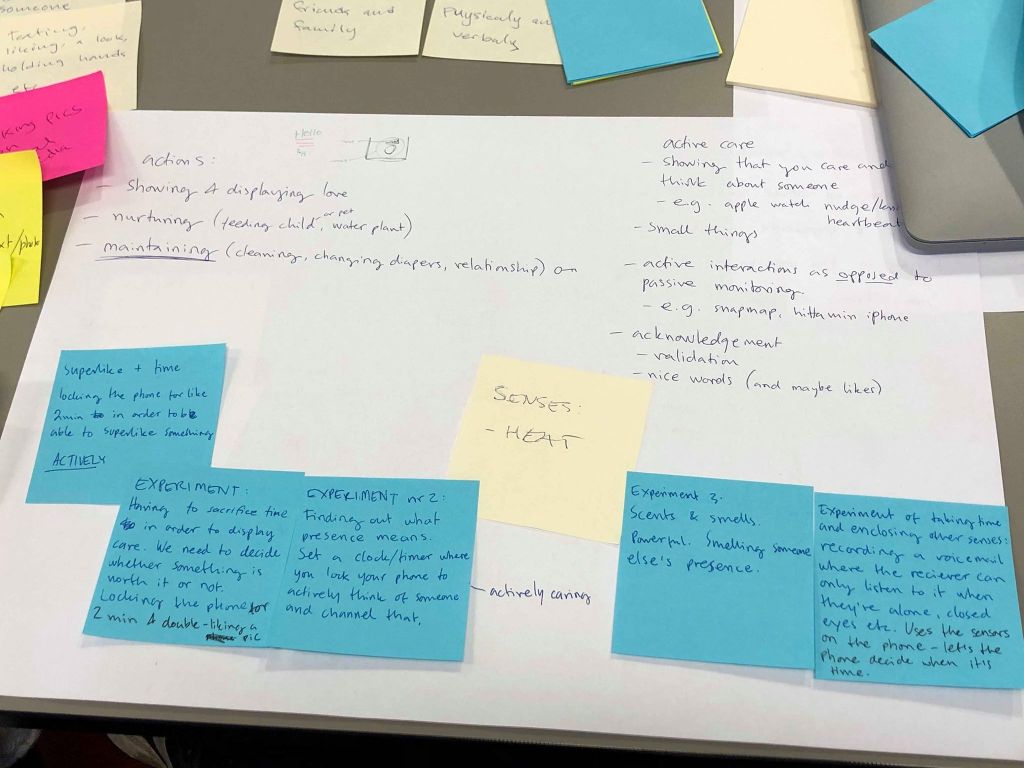
Even though we did this experience prototyping and got interesting insights we, once again, did not know to develop it further more. An example from our insights is: we don’t express how much we care verbally. A question we made out of that insight ”How can we show that we care without having it to be verbally mediated?”
And thats when the ”time” aspect comes in again. If we want to show that we care, we do these daily acts of caring without even thinking about them. Helping out a friend by picking him or her up from somewhere, we do it because we care. Calling my mother and asking how she is and how her day has been, because I care about her. Even just writing about this I get confused to be honest, it feels like I don’t know what I’m trying to convey but at the same time I know exactly what I a trying to mediate.
Anyways, after the insights we got from the experience prototyping we did our first design proposal which was, of course, an app…We were really trying to come up with something that did not include an app because that is the first solution we always think about. In every group project Ive had where the task has been to invent a solution to a problem – the first idea to the solution has been an app. Its like it is the only way of solving problems nowadays, create an app because most of the people around us have some kind of smartphone so they could easily just download the app and there we go – problem solved! But in this case, we really tried not to have an app as a solution but when we were thinking about other ideas it got to abstract and unnecessary to be honest.
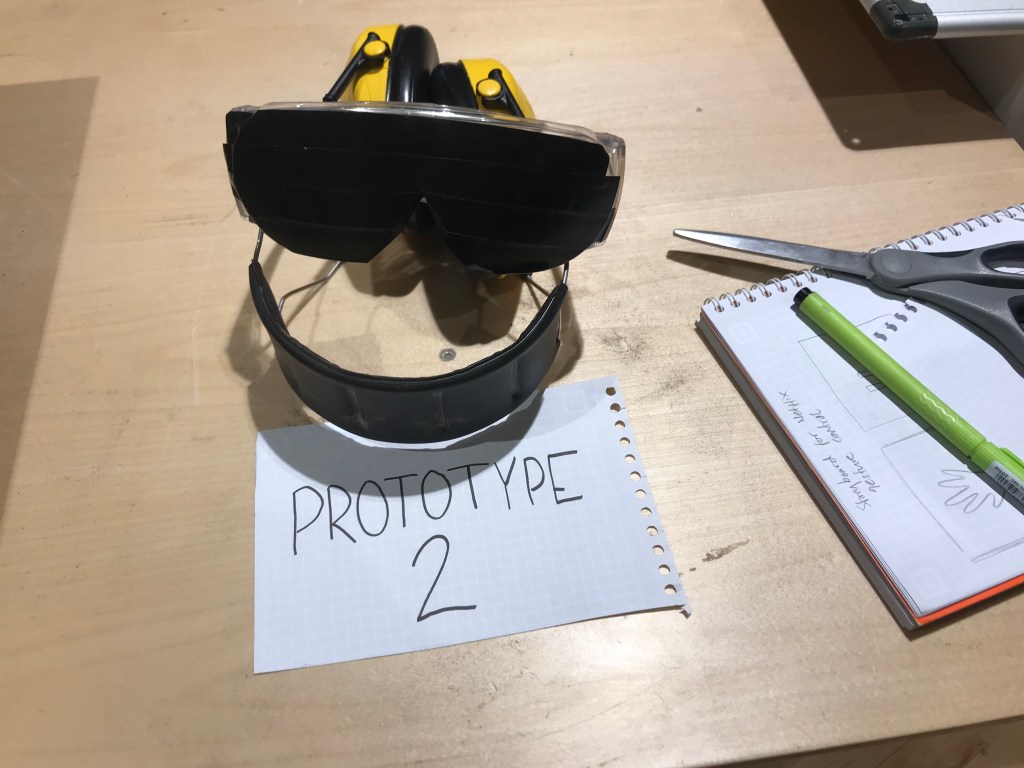
We were making a prototype of a blindfold and noise-cancelling headphones to use when u have received a voice message from someone who is telling you about their day and just talking freely about their thoughts. Why we did this prototype was because thought that if you receive a voice-message from someone you care about and only listen to it when you have the TIME to sit down with a blindfold and noice-cancelling headphones in order to only be concentrated on what the person is talking about you’d appreciate it more and maybe even send a voice message back so the other person could listen to it under the same circumstances when he/she takes the time. As you can see, this idea is very abstract and the same time odd in a way. Why do I have to have blindfold and noise-cancelling headphones in order to appreciate a voice-message that my friends sends to me. The idea and the solutions were not really based on any insight that we got, it was more and idea that we discussed with no actual ”proof” or reason to strengthen our concept.
So we ended up creating an app after all. An app that is created only for showing care by showing that you are thinking of a person, have the opportunity to send a voice message or even a video. No other intentions and no pressure that it has to like an ordinary iMessage conversation where you kind of feel like you have to ask the other person how he/she is, how their day has been, what they are up to during the week etc. We were trying to remove that pressure that we, ourselves, feel like we have when we are texting with people we care about. Sometimes you just want to express or show someone that you care, without really talking about your day or asking the other person about theirs. Sometimes it is also nice just to receive a message randomly from a person where they express in through our app that they are thinking about you and that they care.
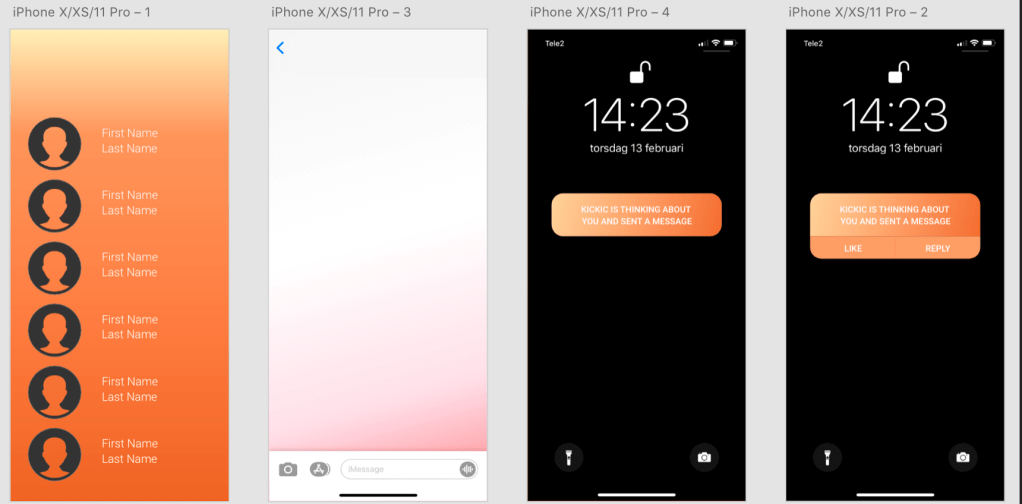
To summarize this project I would describe it as intense, engaging and explorative. If I could do it again I would definitely start with provoke situations of caring interactions instead of coming up with solutions to problems I haven’t yet found. That way it will be a lot easier to get insights and from there start thinking about different prototypes and design proposals. I did get a lot of insights during this project and even though I struggled a lot during the project I am happy with the outcome and I will definitely bring the experiences I got from this project with me to future projects I will be having.
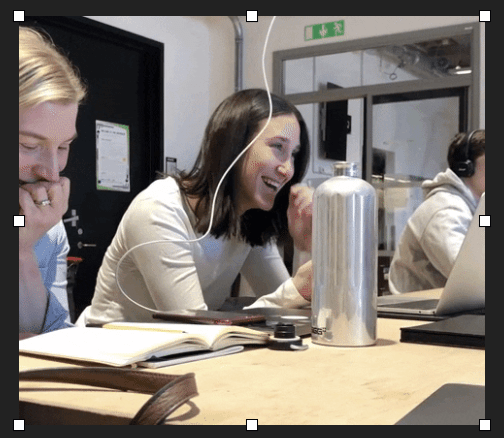
Playful workshop with Arduino
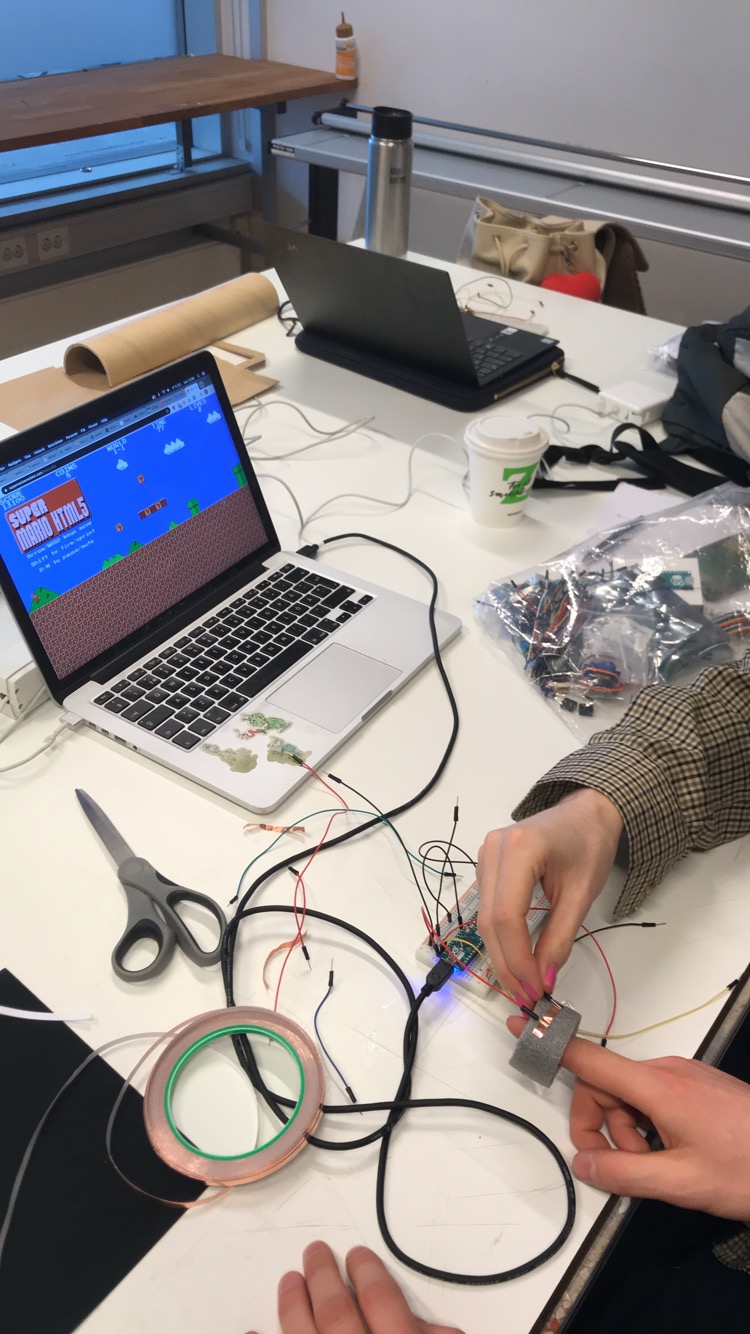
This vas a very fun workshop we did in groups. The main task was to choose a game and afterwards use an Arduino to create different controllers to the game. I enjoyed this workshop because it was a ”quick and dirty” prototyping when it comes to the controls we had to make. When its quick and dirty, the brain starts to brainstorm a lot of different ideas that doesn’t necessarily have to perfect or even good at first, the main focus is to come up with something and then try it out. After testing it, iterate on what we liked, what we didn’t like, what worked, what didn’t work and how we could develop it further.
After this workshop I really understood why and how Arduino is good to know. Because we used it in a way that was visual, what I’m trying to say is that before when we sat and got some lights to shine and vibration I did understand how it work but not why. Why and what to use it for – maybe because I had no experience with Arduino whatsoever but when we did this workshop and in some way made the Arduino ”alive” by implementing it to control a game – I saw the many opportunities with Arduino.
After our first quick and dirty prototypes of the controllers we did some user experience ourselves but as well asking others to try it out. The insights we got were that we enjoyed the fact that there was another way to control the game.
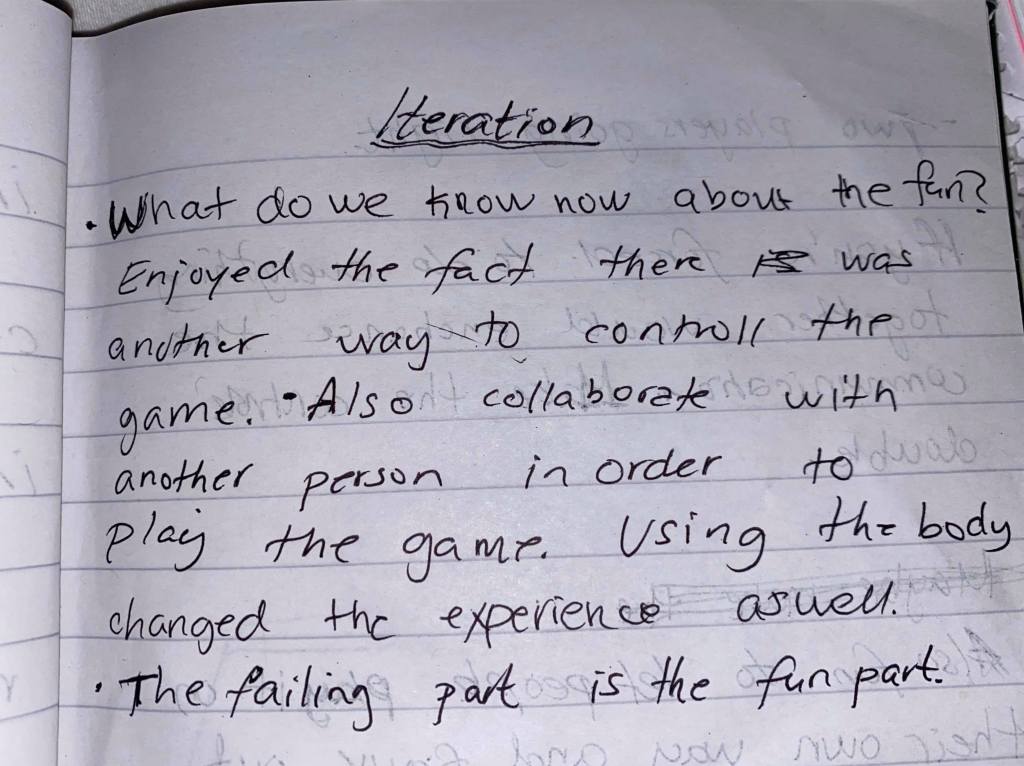
It was interesting to collaborate with another person in order to play the game – considering the Mario online game we choose is played by one person otherwise. Using the whole body changed the experience as well and the faking part was the fun part. The question we had further to answer was ho we could augment this further. We discussed to maybe implement more touching to make it more interactive between the ones playing it. We designed the game to play without shoes, which is unnecessary because we want to enable it so you can play with shoes as well…imagining this is a game that would be in some kind of bar or game center. Then it would have been easier to play with shoes on so thats something we took to consideration when designing it a second time. What we mostly wanted to change was the communication between the two players. The first time we created the controllers the one who got to go right with the Mario had the control over the whole game, the second player controlled if the Mario was going in the backward direction and both of the players had to clap each others hand in order for Mario to jump.
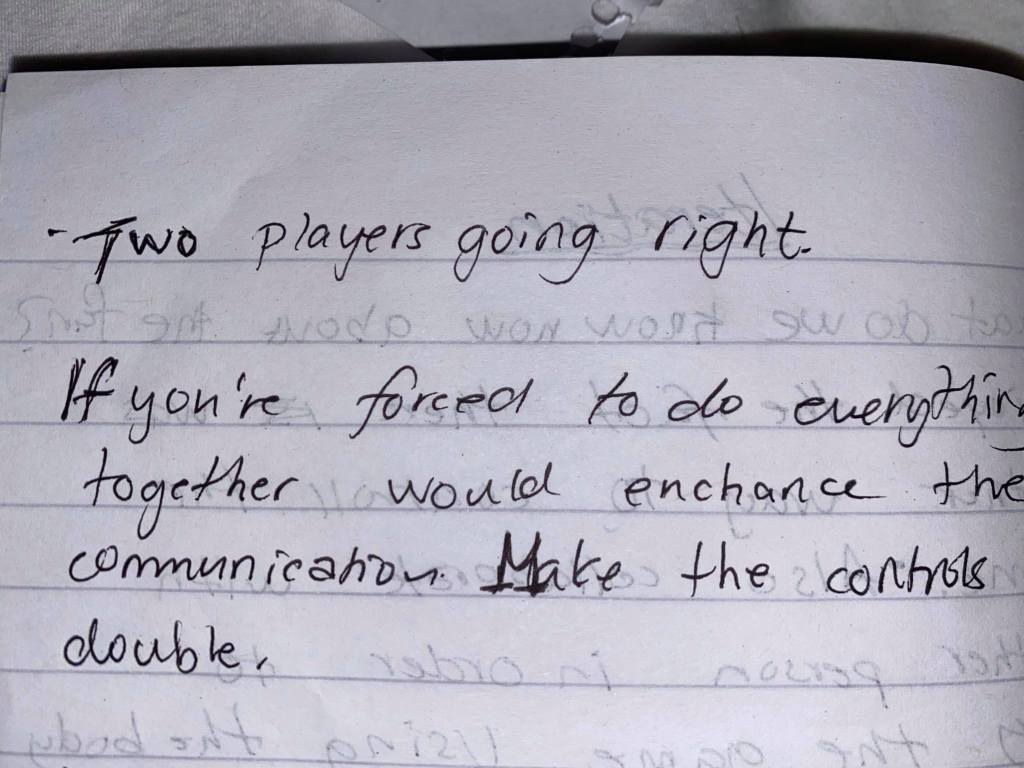
So instead of letting one player control when Mario goes right, we wanted both of the players to be forced in some way to do everything together. This way it would enhance the communication and collaboration between the players…which we also realized after creating it…that it was more fun to play it when you were communicating with the player next to you and being forced in some way to both have the same amount of control.
In this play fun workshop I particularly valued the quick and dirty prototypes because then I didn’t feel so much pressure making the first prototypes and by that having more time to try them out, iterate and change and then try it out again. I valued the new perspective I got to experience with the Arduino, as mentioned before, I really got a grasp on why and how the Arduino is useful. Maybe it is weird how I didn’t understand that earlier but it was some kind of realization to create a physical prototype and implement it with the Arduino and then get a result.
25/2 – API Lab presentation
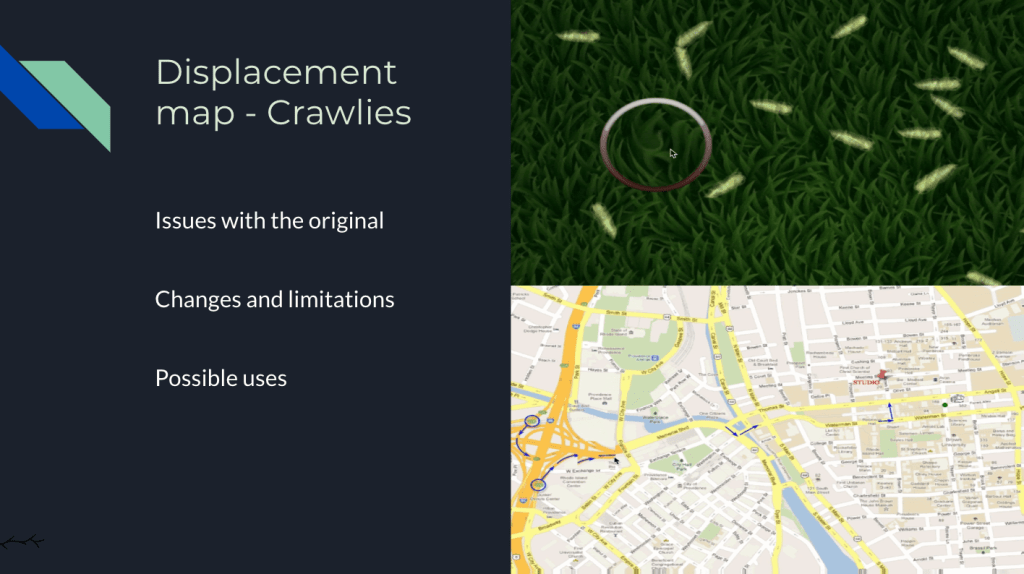
Today we had presentations about the API Lab we have been working with for a couple of weeks. The main focus was to present 5-6 examples we had been working with and the changes we made with it and reflections we had about these examples. What they are useful for. I think it was interesting to work with a library that has a prebuilt release and not having to create something from the start but actually get inspiration from the library and then recreating examples to what we think they would be useful for.
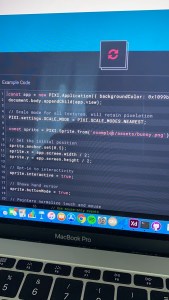
Playing around with the code was a struggle for me to be honest because I have never done it before and I was unsure how much of the original code I needed to keep and what plugins were required in order for the code to work. But I can really understand why it is useful to use these kind of libraries, not only to get a already built code (which is great btw) but also to get inspiration from the different designs provided.
API Lab
Application Programming Interface
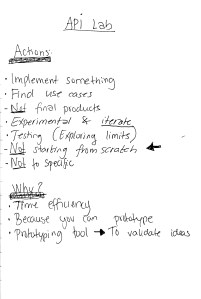
We got divided in to groups and got the task to choose a library with different graphics to experiment with. The goal was to implement something to the examples we chose to work with, find use cases , experiment, iterate and explore the library. Individually we got the task to choose 2 examples each to re-create/change in some ways and find use cases that are not to specific.
This assignment was a real challenge for me. Mainly because I had never done something like this, but also I did not have so much knowledge in javascript. Another challenge was using GitHub as a way of sharing our work, to be honest, that was what took the most time for me to comprehend. I think I would have needed a whole lecture of only learning about GitHub, there are so many good things about GitHub and I did not know that so many people use it and now I understand why but I still wish I got some more information and guiding in GutHub. Because in order to use it in a way that it helps me, I have to understand how it works. But playing around with different animations and trying to create some kind of prototype went good, I had a very well good group that was helpful and we did a lot of experiments together in order to learn from one another. The biggest struggle during this project was the beginning – when we were supposed to download the codes from the library and understand them to the point that we could change them, create a GitHub repository and lastly find use cases without being to specific. We found different use cases but they turned out to be to specific according to our teacher which I can understand. When you are prototyping you are supposed to have an open mind about what it can be used for. Not choose something specific that can only be used in one way. We struggled with that a lot and that is something I personally struggle with otherwise as well. I always like to find the solution and the ”product” by skipping through the ”what’s the problem” and the prototype part. If I would reflect on what I could have done better it would be to experiment more and with more different examples because then I would have learned something new every time. I also wish I took more time to learn how to use GitHub because I really see the positive aspects of using that platform and I am glad that I got the opportunity to at least use it a little bit. I am however satisfied with the outcome and the learning that took place during this assignment.
This project was very useful because it provides multiple opportunities to use it for: games, platform applications and interactive graphics are just a few examples. Using an already prebuilt code to change it and create new things with an existing base idea is not only time efficient but also inspiring. The examples provided from the library give inspiration and an understanding of how the code works along with making it easy to change the code and experiment with it.
Design Lab
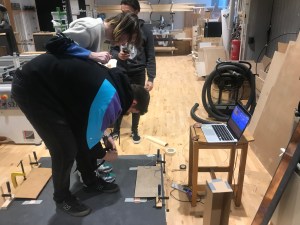
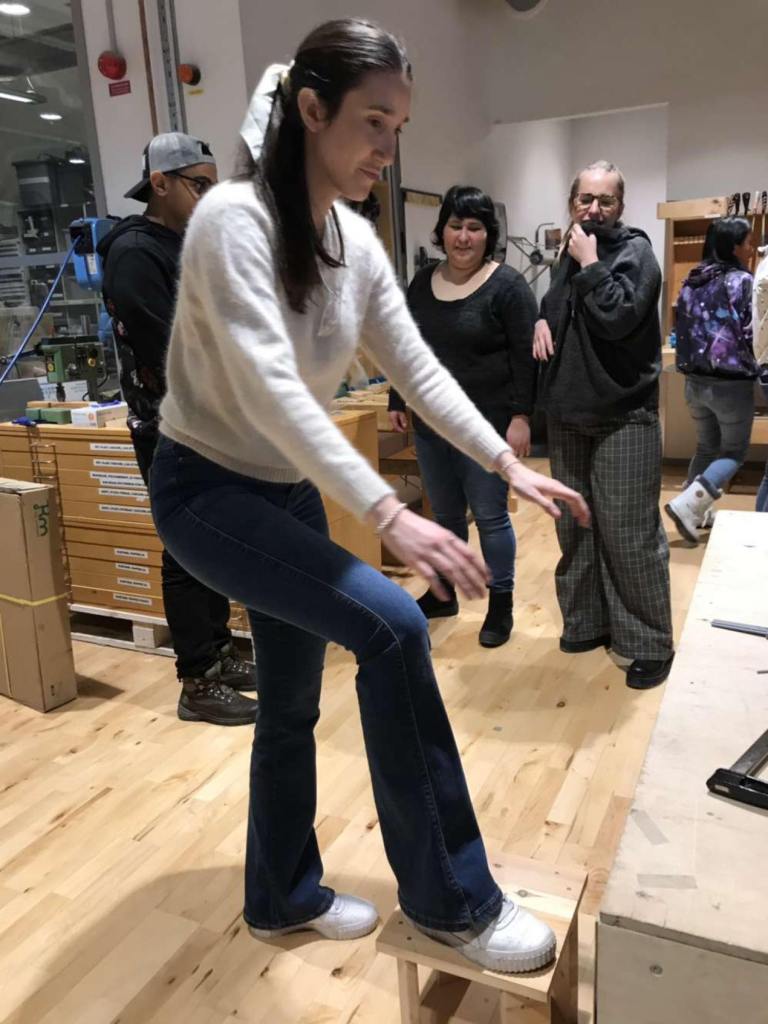
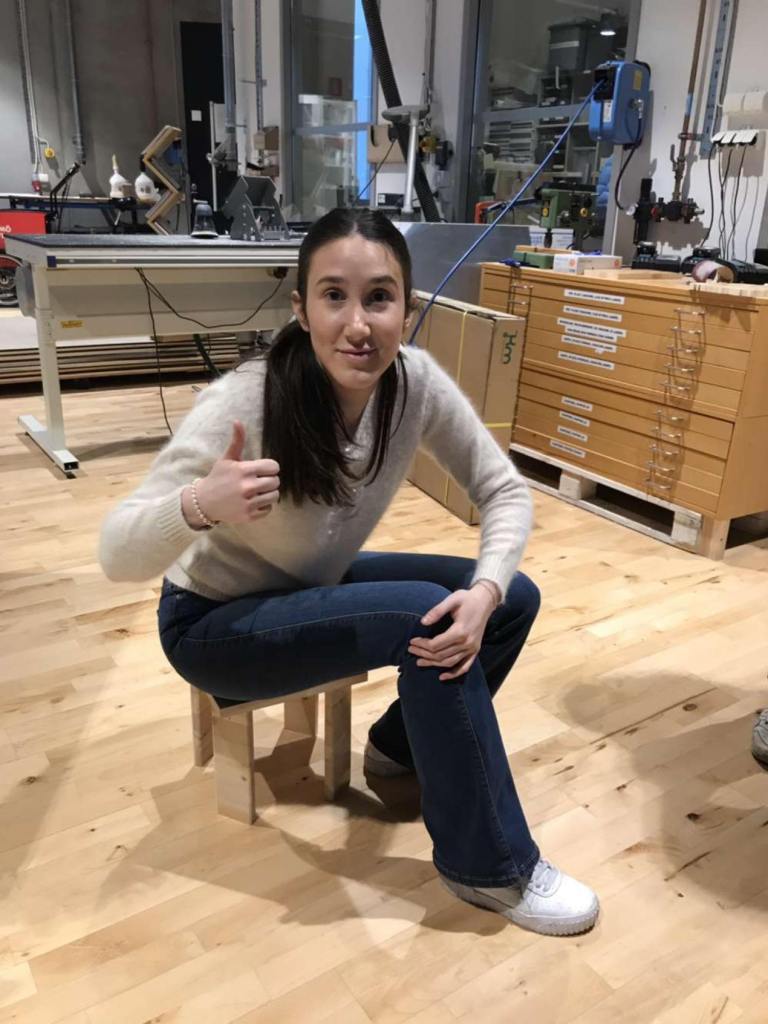
This week has been very fun, we have been building a stool in the workshop in groups. The goal was to use as many machines as possible (you get a point for every machine you have used) and you are supposed to be able to stand on the stool as well. Every group got a brick of tree, same size. I was in a group with Sara and Karin and we immediately started to sketch the stool and discussed how we would make it. Using the machines wasn’t something new for me because most of them I had tried to use during my time in middle school, so it was a huge throwback to that. I really enjoyed doing this because not did I only get more comfortable using the machines (its gonna be useful for future projects I think) but we also were ’forced’ to to something quick and dirty in a way.
Our creativity was flowing and we were very excited and motivated to try out all of the machines. Unfortunately we realized that we did not have as much time as we needed and our sketches were not so precise and to be honest, we just created a stool from using different machines and hoping it would work out. We really winged it, we did not have a concrete plan on how it was supposed to look, and how we were going to create it…we just took one step at a time and all of us wanted to try out the machines and thats something we did so Im glad we did that.
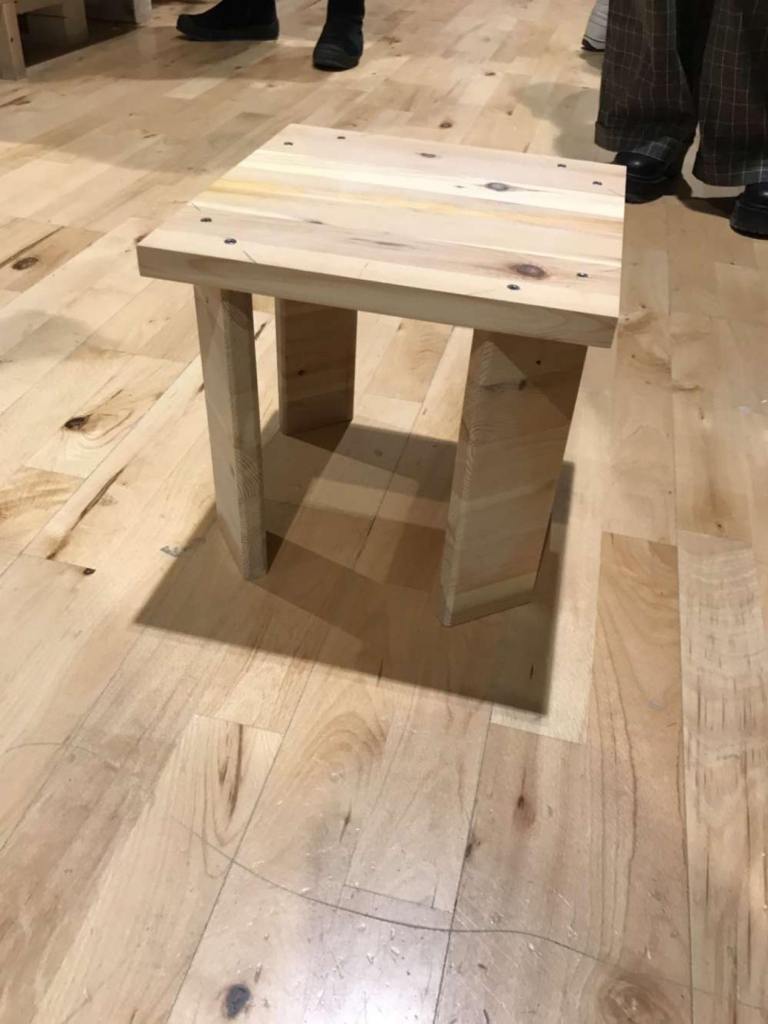
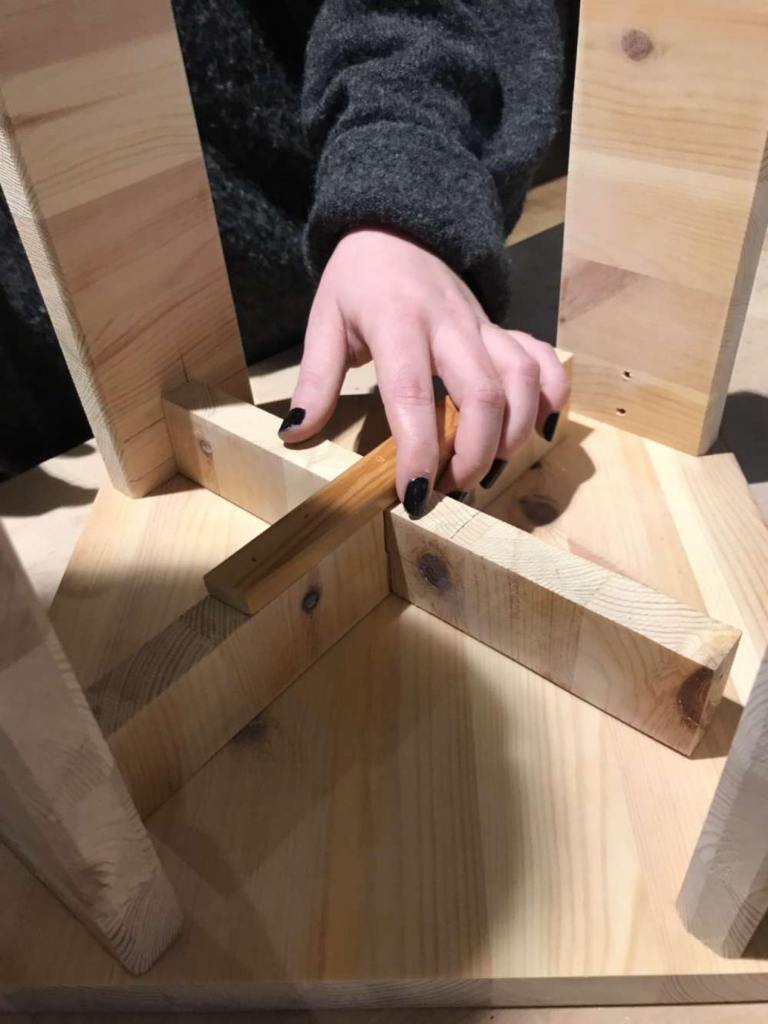
Insights that I got immediately after was that our stool wasn’t well planned…for example we did not turn the brick of tree the right way so the stool wasn’t capable of having a lot of weight on it…addition to that our stool wasn’t esthetically made…its not a stool I would want to own and have in my home. If I could do it all over again I would definitely had more sketches of various stools to compare and discuss which one is the quickest and best to make. Then I would have been more precise with the measuring, because like I said, we winged it a bit and were not so careful with the material we had. Otherwise I’m satisfied with how we used the machines and we used all fo them except for one, because we did not need it…I hope we are gonna be spending more time in the workshop using these machines. I look forward to make more ideas physical and have concrete prototypes. I got the insight that making a physical prototype and testing it out you definitely enable implementation of a look and feel prototype. At the same time make you establish which material to use and not. Lets not forget as well that a physical prototype can filter the appearance of a prototype.
Insights that I got immediately after was that our stool wasn’t well planned…for example we did not turn the brick of tree the right way so the stool wasn’t capable of having a lot of weight on it…addition to that our stool wasn’t esthetically made…its not a stool I would want to own and have in my home. If I could do it all over again I would definitely had more sketches of various stools to compare and discuss which one is the quickest and best to make. Then I would have been more precise with the measuring, because like I said, we winged it a bit and were not so careful with the material we had. Otherwise I’m satisfied with how we used the machines and we used all fo them except for one, because we did not need it…I hope we are gonna be spending more time in the workshop using these machines. I look forward to make more ideas physical and have concrete prototypes. I got the insight that making a physical prototype and testing it out you definitely enable implementation of a look and feel prototype. At the same time make you establish which material to use and not. Lets not forget as well that a physical prototype can filter the appearance of a prototype.
Videoprototoyping in groups
After watching the result of the video and watching the other groups videos I realized how much you can do and show with a quick and dirty prototyping video. I also realized it is important to only show essential things in the video, what I’m tryna say is that every second of the video should have a reason to be in it. You don’t have to spend unnecessary time showing things that doesn’t really have a meaning or have a connection of what you want to show. So that is something I learned during this project: Choose wisely what you want to show in the video in order for it to not be to long with unnecessary parts or scenes. Make a quick and dirty prototype video, do not put too much time into the first one because you want to be effective and even with quick and dirty videos you can mediate a lot.
In our group we chose to, in the video, show before/after using our product. So with and without our product so to say. That way you could easily see what pros our ”product” had and in what why our ”product” made it easier for the character ”the user” to perform daily activities. We also wanted to show different occasions in order to make the ”product” more convincing and to display that it can be used whenever thought out the day.
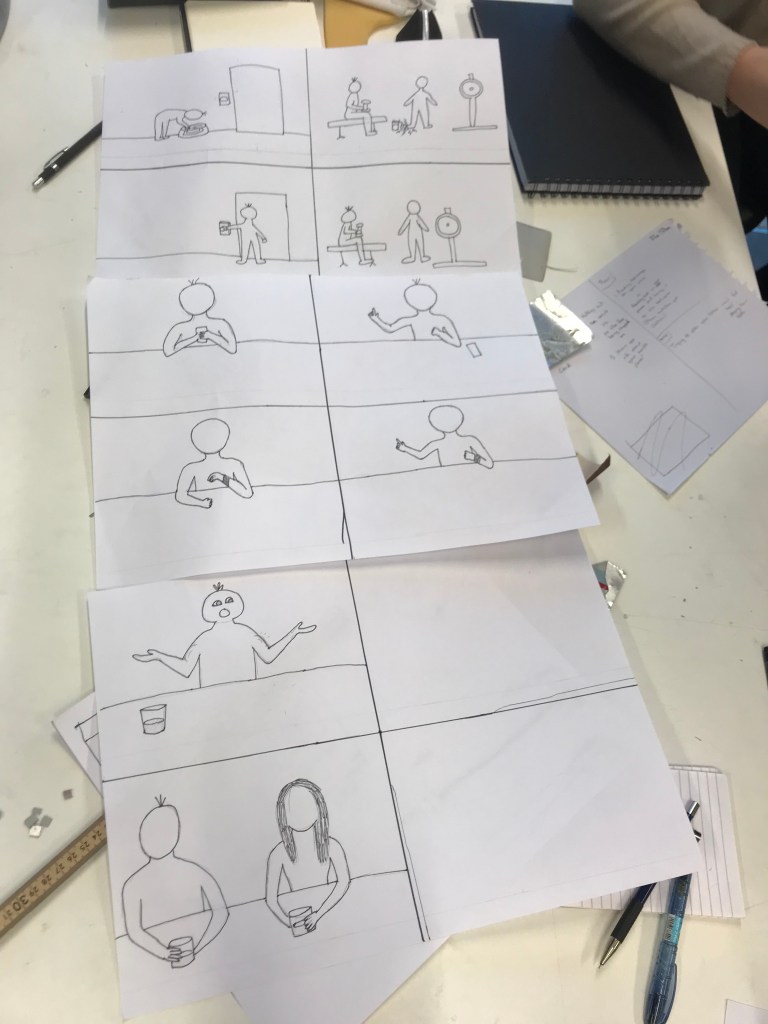
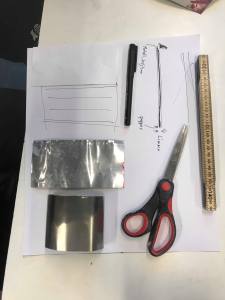
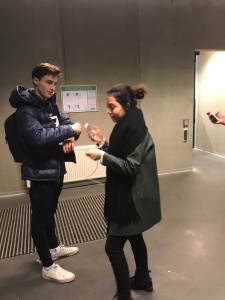
I would also like to add that after doing this exercise I am convinced that you can mediate a product by using a low-fidelity prototype. As we are using in the video. We are using a paper that we sketched on Adobe XD, approximately of how the interface would show on the screen…and what we focused on was how it is used and what perks it brings by using it. I am satisfied with the video and Eric in my group edited it, and it turned out very good!! To be honest, I am even satisfied with our acting in this video if I may say so…it makes it realistic in a way. 🙂
https://youtu.be/SXTSrf7FjLg
Weeks 4 and 5!
Hello,
Weeks 4 and 5 were the first weeks of the new semester. These weeks we started to play around with the toolkit arduino, we got an assignment to to a storytelling video to show a user value of a product. We also got to be in the workshop and learn the different machines that are going to be useful in future prototyping.
To be honest I did not quite understand why we are supposed to use the toolkit arduino because I could see why it was useful. Even though I really liked to play around with it and understand how it works. It was difficult and a lot of information to receive but at the same time very fun and fascinating. After the second lesson I really started to enjoy and appreciate learning the arduino. I comprehended that only learning the bascis on the ardunio – you can do a lot of cool stuff. I must however watch tutorials at home in order to not forget and keep learning because it was very fascinating. I can not wait what we will do further with the arduino and what we will create.
The storytelling video was an educational assignment and to see all the other videos that the groups had made was inspiring. It was inspiring because I got to see other perceptions of the same product and, in my opinion, all the groups had impressive ideas. I did however wonder why we only got one week to make this video, such a short time…But one teacher said ”If you got a longer amount of time, you would feel more pressure”, and that is so true. Considering the short amount of time we had to think of an idea fast and record a video as efficient as possible. As a result of that we got to experience working under limited time and that did give me more motivation to work harder. To define ”work harder” – Brainstorm ideas in order to start recording the video and later on work productive and have a plan of when things are supposed to be done since the deadline was close.
I did not edit our video in the storytelling video because I do not have so much experience with that. In consideration of the lack of time we had, we chose to let the most experienced editor in our group do the job. Which I thought was a little bit boring because I wanted to learn but I realized that I have all the recorded videos and I can edit it myself in purpose of learning. That is something I will definitely do so that I can participate in the editing in future video-projects.
After these two weeks I know that I have to plan my time precisely and attend every lecture that we have in favor of getting the maximum of this course.
 Christinas blog